
A cheaper transaction is not always a better transaction. On Ethereum, choosing a lower gas price can save money—or leave a transaction pending while the market moves. On another EVM network, the fee may be small, but a mistaken approval can still expose valuable tokens. Gas optimization is therefore not simply a hunt for the lowest number. It is a decision about timing, transaction design, and risk.
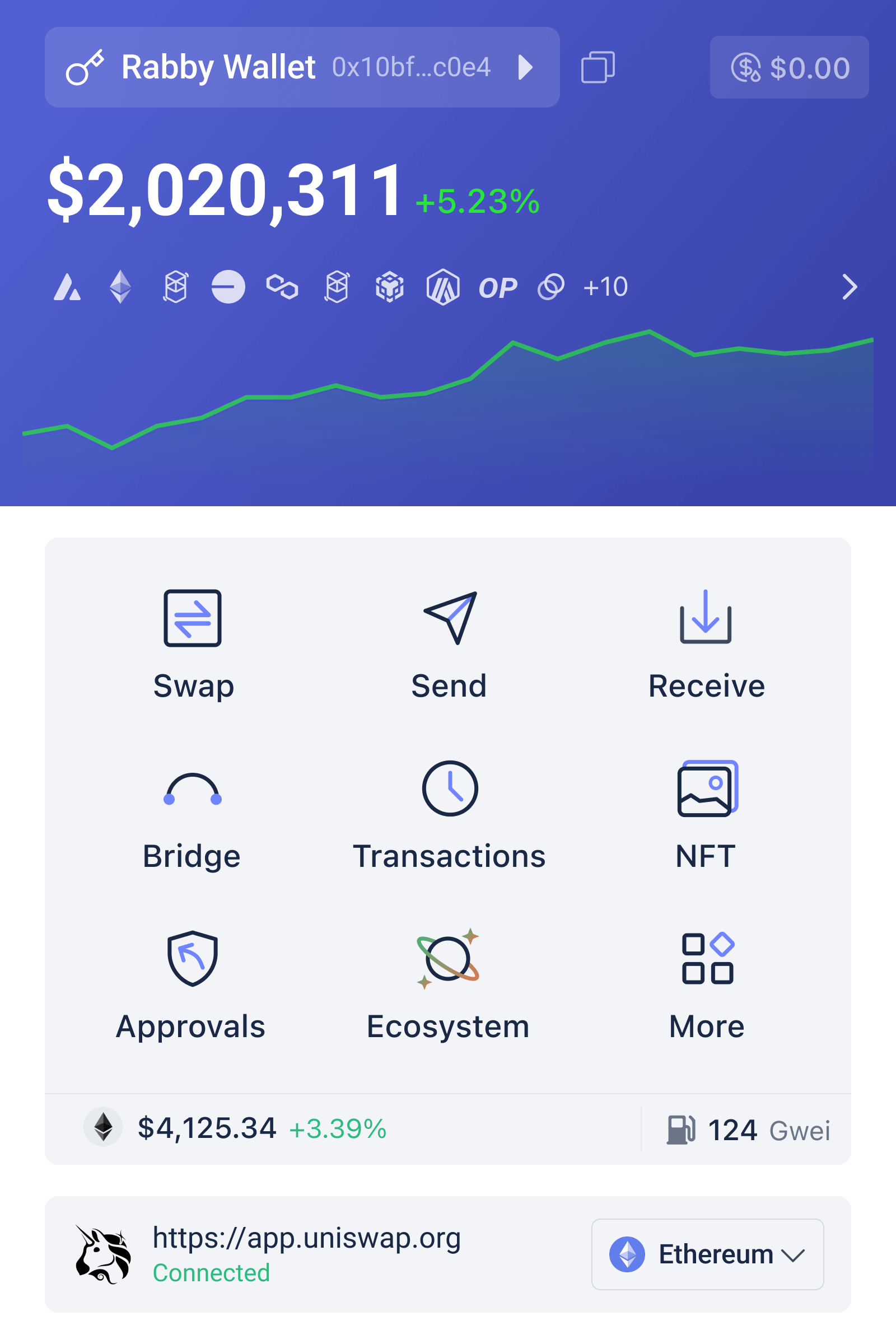
Rabby Wallet is a browser wallet for Ethereum and other EVM-compatible chains, where EVM means the software environment used to execute smart contracts. Its practical value lies in bringing transaction review and chain context into the wallet workflow. Used carefully, it can help users notice what they are about to authorize. It cannot guarantee a transaction is safe, predict network fees perfectly, or undo a confirmed action.
What gas pays for—and what it does not
Gas measures the computational work a transaction asks a blockchain to perform. A simple token transfer generally uses less computation than a swap that routes through several pools or a contract interaction that updates multiple positions. On Ethereum, the fee reflects both the amount of gas used and the price paid per unit of gas. The network’s base fee changes with demand, while a priority fee can encourage validators to include a transaction sooner.
This distinction matters because users often treat gas as a single adjustable charge. In reality, a wallet may estimate how much work a transaction needs, while network conditions influence the price of that work. A user can sometimes alter fee settings, but cannot reliably make a complex operation computationally cheap just by lowering the offered price. If the offered fee is too low relative to current conditions, confirmation may be delayed; exact outcomes depend on the network and transaction type.
Gas is also separate from the amount traded. A swap can have a low network fee and still be economically poor because of slippage, an unfavorable route, or token price movement. Conversely, paying a higher fee may be reasonable if the transaction is time-sensitive and the expected cost of delay is greater. The useful comparison is total execution cost and risk, not the gas figure alone.
Where a wallet can help with optimization
A wallet can support gas decisions by estimating transaction requirements, presenting fee choices, and helping users inspect the action they are signing. Rabby is designed for Ethereum and EVM networks, and its browser extension puts those checks close to the decentralized applications where users initiate transactions. That convenience reduces friction, but it also makes disciplined review important: a familiar interface is not proof that a site or contract is trustworthy.
Before installing, use a source you have independently verified. If you are looking for the rabby extension download, check the publisher and installation details rather than following an unsolicited message or an advertisement that imitates a wallet page. A malicious extension can target the same sensitive information as any other compromised wallet software. Never enter a recovery phrase into a web form to “connect” or “verify” a wallet.
Once installed, treat the transaction preview as a checkpoint, not a verdict. Confirm the network, the destination or contract, the asset and amount, and the permissions requested. A token approval is not the same as a transfer: it can authorize a contract to move tokens later, sometimes up to a specified allowance. If an action asks for broad or unlimited approval, consider whether that scope is necessary and whether a smaller allowance is practical. The trade-off is convenience versus limiting the damage a compromised or malicious contract could cause.
Practical ways to reduce total transaction cost
First, distinguish urgency from habit. If an operation is not time-sensitive, waiting for less congested conditions may reduce the fee required for prompt inclusion. But fee patterns are volatile; a quiet moment is no guarantee that demand will remain low by the time a transaction is sent. For a time-critical trade, a deliberately low fee can create a different cost: delay, missed execution, or the need to manage a pending transaction.
Second, look at the full transaction path. A swap involving multiple contract calls may use more gas than a simpler route, yet a route with fewer steps is not automatically better if it offers a worse price or greater slippage. Compare the quoted output, price impact, and network fee together. On some applications, batching actions can avoid repeated setup costs; on others, the combined call may be harder to understand or may fail as a whole. The right choice depends on the specific protocol and transaction.
Third, be cautious about repeated retries. A failed transaction can still consume gas if it was included on-chain and reverted. Repeating it without understanding the cause may multiply costs. Check whether the issue was a temporary network condition, insufficient token balance for the fee, a contract constraint, or a parameter that needs changing. A wallet’s estimate is useful, but estimates cannot eliminate uncertainty about contract behavior or changing network state.
For US users, the practical record-keeping point is easy to overlook: transaction fees and swaps can matter for tax reporting, depending on the activity and individual circumstances. A wallet display is not a tax determination. Keep records of transactions and consult a qualified tax professional for advice about your situation.
Security is part of gas optimization
Gas optimization is often framed as minimizing dollars per transaction. A more robust framework has three checks: cost, execution, and exposure. Cost asks what the network fee and expected price impact are. Execution asks whether the transaction is likely to confirm in time and whether its parameters match the intended action. Exposure asks what permissions or assets the contract can access after signing.
This framework explains a counterintuitive point: a transaction that costs a little more in gas may be the safer choice if it avoids an opaque route or an unnecessarily broad approval. It also explains why a low fee cannot compensate for signing the wrong transaction. Once a transaction is confirmed, wallet software generally cannot reverse it; recovery may be impossible, even if the mistake is recognized immediately.
Rabby’s public messaging this week describes the wallet as serving Ethereum and EVM chains and invites users to get started with its Chrome or Brave extension. That is a statement of product positioning, not independent evidence that every chain, application, or transaction is risk-free. Compatibility can make a wallet useful across networks, but users still need to verify which chain is active and whether the application they connected to is the one they intended.
A reusable decision rule
Before signing, ask: “What am I paying, what will happen if this is delayed, and what authority am I granting?” If the first answer is unclear, inspect the fee estimate. If the second is “nothing urgent,” consider waiting rather than reflexively selecting a faster option. If the third involves token approval or contract access, inspect the scope and destination carefully.
As wallets continue to make on-chain actions easier to review, the most useful improvement may not be a promise of universally lower fees. It is better context at the moment of decision. Whether that context is enough depends on how clearly the application describes its call and whether the user verifies it. Gas tools can help manage costs; they cannot replace judgment about counterparties, contract code, or the consequences of signing.
Frequently asked questions
Can Rabby Wallet guarantee the lowest gas fee?
No. Network demand changes, and the fee needed for timely inclusion depends on current conditions and the transaction. Wallet estimates can guide a choice, but they cannot guarantee the minimum cost or a confirmation time.
Does a lower gas fee make a transaction safer?
No. Gas is a cost for computation and inclusion, not a safety rating. Review the network, contract, amount, and permissions separately. A low fee does not make a malicious approval or mistaken transfer reversible.
What should I check before installing a browser wallet extension?
Verify the source and publisher, avoid installation links sent through unsolicited messages, and protect your recovery phrase. After installation, review each transaction and approval before signing, especially when interacting with unfamiliar applications.